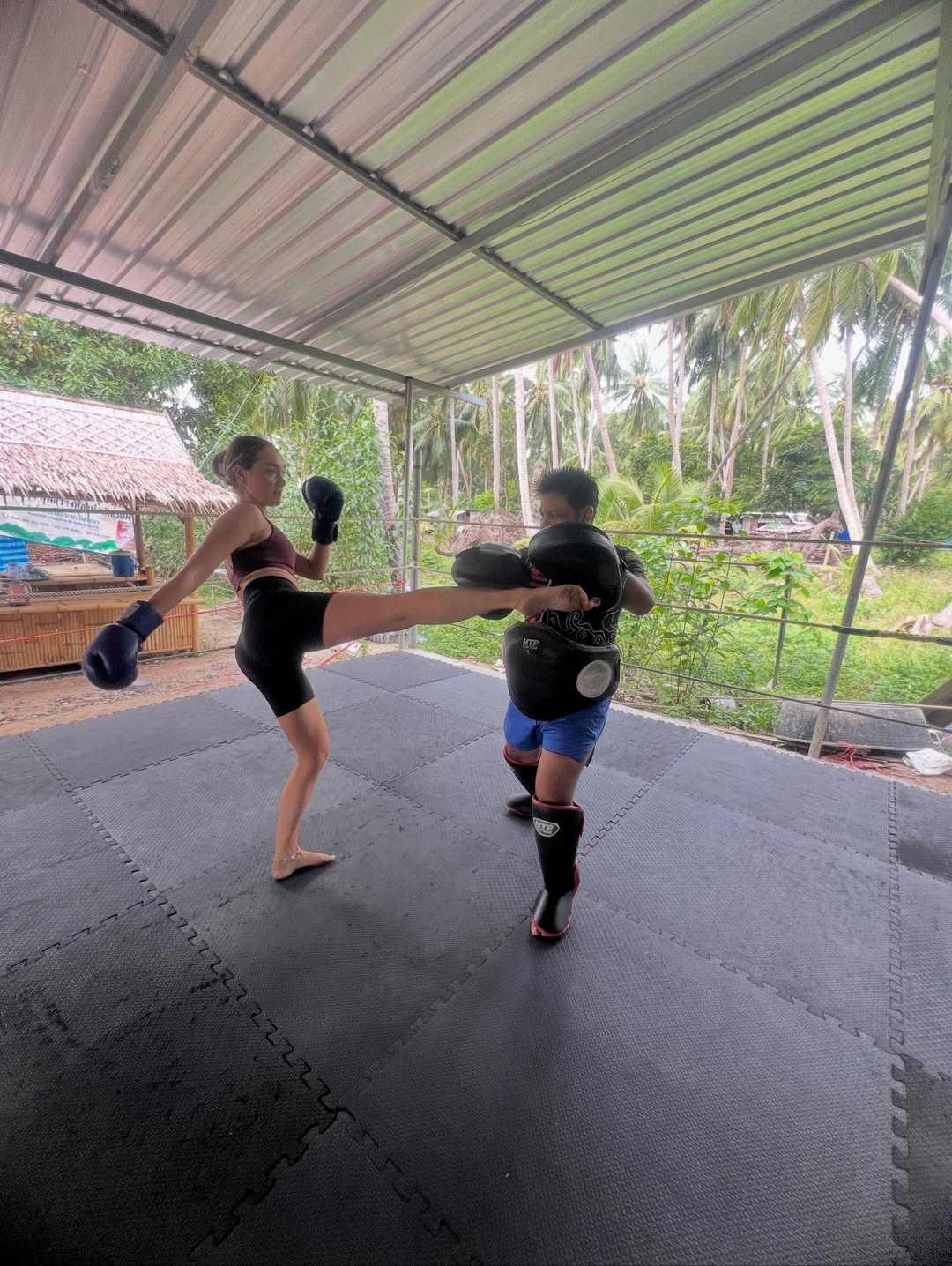
When people plan muay thai koh phangan, they usually research gyms, schedules, and training style. That is the fun part. The unglamorous part is where you sleep and how you get to training twice a day. Over a multi-week stay, small friction becomes missed sessions.
This article covers five mistakes trainees commonly make when choosing accommodation on Koh Phangan and how to avoid them. None of this is complicated. It is just practical: a short commute, reliable sleep, and logistics that do not fall apart when you are tired.
Staying too far from the gym
This is the most common issue and it is almost always underestimated. A place that is “only 15 minutes away” feels fine on day one. By week three, that ride becomes a daily negotiation, especially for morning sessions.
Why it affects consistency
Training takes energy. So does commuting in the heat. When you add a longer commute to two sessions a day, you pay twice: time and fatigue. The result is predictable: you start skipping the session that feels harder to reach.
How to fix it
If you are staying for 2–8 weeks, choose an area that makes mornings easy. You do not need to be next door. You just need a commute that still feels doable when you are sore and your motivation is low.

Booking too long before arriving
Many trainees try to “solve accommodation” in advance by booking a full month. This can work if you already know the area and your routine. But if you are guessing, it often locks you into a setup that is slightly wrong.
What you cannot know before week one
Until you have done a few sessions, you do not know your real training rhythm. You do not know if you will train once per day or twice per day. You do not know how important quiet sleep will feel after the first week of soreness. Those details should influence where you live.
The safer approach
A common trainee approach is simple: book the first week somewhere practical for training, then extend or switch once you know what matters. It is not indecisive. It is realistic planning for a multi-week training block.
Choosing party-focused areas
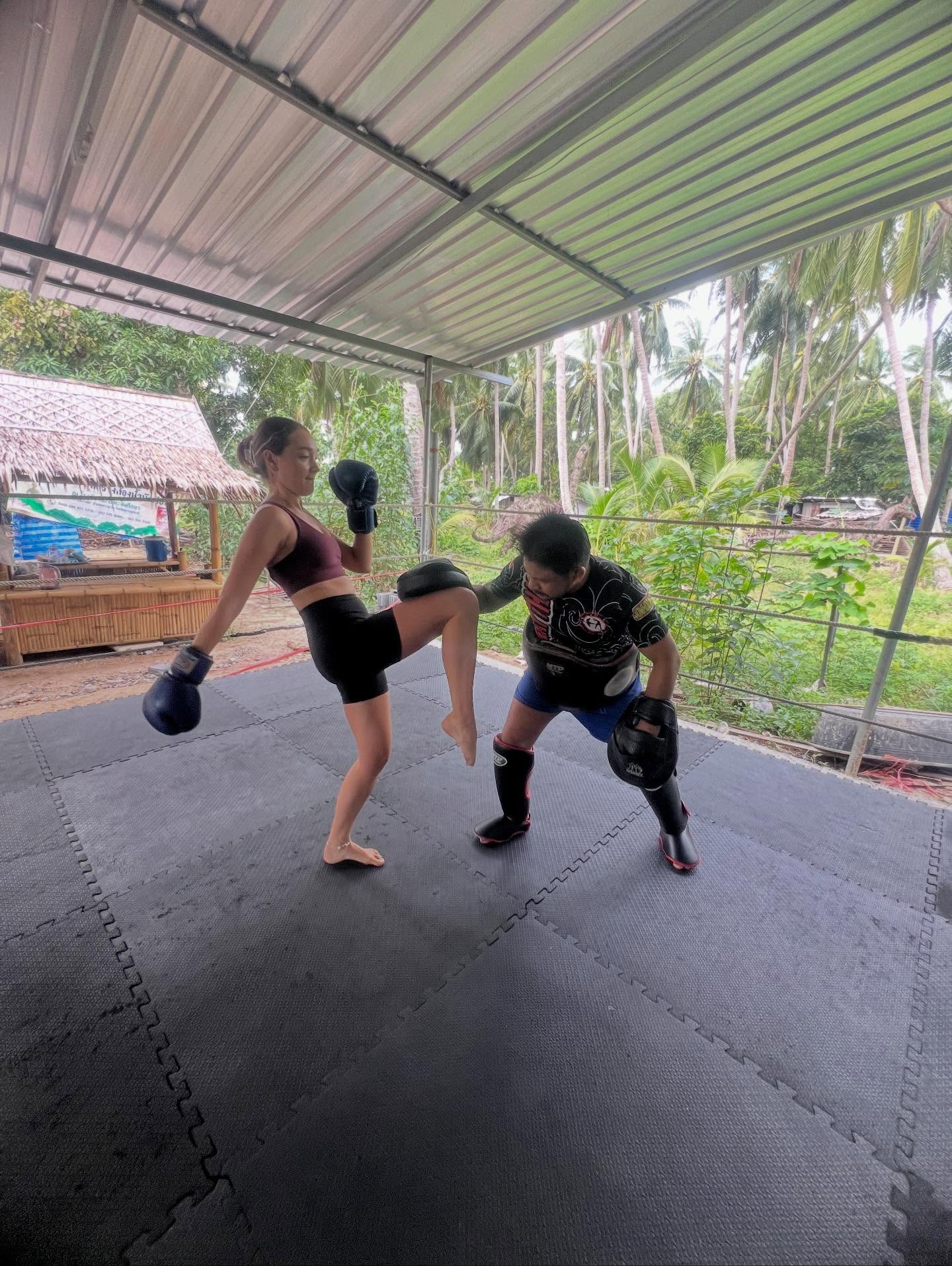
Koh Phangan has areas that are great for nightlife. That is fine if your goal is a vacation with a couple of sessions. It is usually not ideal if your goal is a steadykoh phangan muay thai camp routine.
The real cost is sleep
You can train hard for a few days on poor sleep. You cannot do it for a month. If your area is noisy, your recovery suffers and your training becomes inconsistent. The risk is not “party temptation.” It is the basic inability to sleep early when you need to.
What to do if you still want that area
If you prefer a busier area, choose your exact place carefully. Look for a room that supports recovery: quieter street, decent curtains, and a setup where you can actually rest. Over 2–8 weeks, recovery is not optional.

Ignoring daily training schedule logistics
The schedule is not just “two sessions.” It is timing. If you train in the morning and afternoon, you need a daily setup that makes those windows easy. This is where accommodation mistakes show up quickly.
The mid-day gap matters
Between sessions, you need to eat, rest, and recover. If your place is far, you either waste time commuting back and forth or you stay out all day and end up tired and unfocused. A good training base makes the gap easy: a quick meal and real rest, not more logistics.
The easiest test
Imagine a normal training day in week three. Can you get to the gym in the morning without rushing? Can you get food and rest without a long ride? If not, that location will fight your consistency.

Underestimating transport fatigue
Transport is not just a cost. It is a training variable. If you are riding a scooter, you may feel fine in week one. But repeated rides in the heat, after hard sessions, can add up. If you are not riding, relying on taxis or rides can also add friction that leads to skipped sessions.
Heat and decision fatigue
The practical issue is that transport becomes another decision twice a day. When you are tired, you choose the easier path, which often means not training. Reducing commute friction is one of the simplest ways to increase consistency.
Be honest about your reality
If you are comfortable on a scooter, choose a setup that keeps rides short and simple. If you are not, choose an area where you can still train consistently without needing daily transport plans.

How most students avoid these mistakes
The pattern that works for most trainees is not complicated. It is a two-step plan that keeps you flexible but still practical.
Step 1: choose a first-week base that supports training
Prioritize short commutes and reliable sleep. If you remove friction early, you will train more. That is the point.
Step 2: adjust once you know your routine
After a few sessions, you will know whether you care most about being closer, being quieter, or being more central. Then you can extend or switch based on reality, not assumptions.
If you want a simple starting point, use this guide to staying close to the gym during a training block to pick areas that make sense for a 2–8 week routine.
The decision rule
Ask one question: “What would make me skip training?” If the answer is commute, move closer. If the answer is sleep, choose quieter. If the answer is meals, choose somewhere more convenient for food. That simple rule is how trainees stay consistent over a multi-week stay.

FAQ
Is it better to stay near the gym?
For most trainees, yes. A shorter commute reduces friction and makes it easier to show up consistently, especially for morning sessions.
Can accommodation affect training consistency?
Absolutely. Sleep quality, commute time, and how easy it is to eat and recover will decide whether you train consistently over multiple weeks.
Do trainees change locations during training?
Many do. After the first week, people often move closer, find a quieter room, or switch to a setup that matches their routine better.
What is the safest first-week option?
Book a short first stay that keeps your commute simple and your sleep reliable. Then adjust once you know your training schedule and what matters most.
Conclusion
The best accommodation choice is the one that protects training consistency. Keep the commute simple, protect your sleep, and make daily logistics boring. If you do that, the rest of your Koh Phangan training stay becomes much easier to sustain.