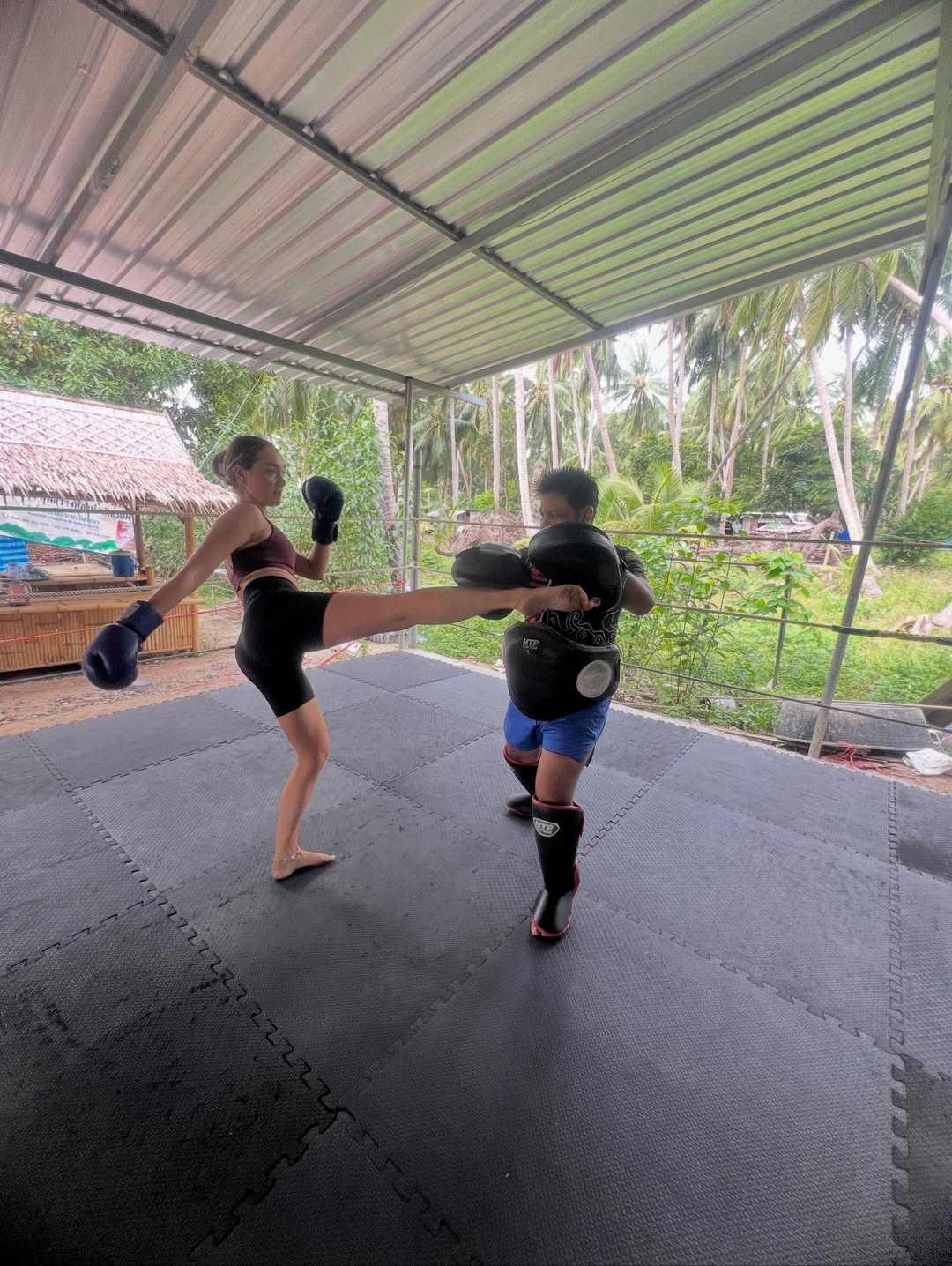
When people search muay thai gym koh phangan or koh phangan muay thai gym, they usually focus on coaching and schedule. Those matter—but where you stay is what decides whether you actually show up twice a day (or even once a day) for 2–8 weeks.
The practical goal isn’t the “perfect” place. It’s reducing friction: short commutes, easy food, quiet sleep, and a routine you can repeat. This guide breaks down the areas trainees commonly choose and why.
Why choosing the right area matters for Muay Thai training
Over a multi-week block, your consistency is driven by boring logistics. If your place is too far, too noisy, or makes meals difficult, you’ll start skipping sessions—usually not because you’re lazy, but because the day becomes harder than it needs to be.
Think of your stay like a training setup: the simpler it is to repeat, the better it works. For most people doing muay thai training koh phangan, the best area is the one that keeps commute time short and sleep reliable.
The three things that matter most
If you want a quick filter for any area, look at: (1) how annoying the commute feels at 7:00–8:00 AM, (2) whether you can sleep well, and (3) how easy it is to eat consistently. Everything else is secondary.
What “friction” looks like in real life
Friction isn’t dramatic. It’s the small stuff that repeats twice a day. Here are the patterns that usually show up by week two:
- You skip a morning session because you woke up late and the commute feels like “extra work.”
- You eat something random because you didn’t plan meals near where you live.
- You sleep poorly because your area is noisy when you need to recover most.
- You feel “busy” all day because errands require longer rides, so training becomes negotiable.
The right area is the one that prevents those problems before they become your default. That’s why the best choice is often the boring, convenient one.

Baan Tai – balance of access and convenience
Baan Tai is a common choice for trainees because it’s practical. You’re generally close enough to get to training without it becoming a project, while still having access to food and essentials without long rides.
For a 2–8 week stay, this “middle distance” matters. It lets you keep a consistent schedule without feeling like you’re living in a resort bubble or commuting across the island for basics.
Who it suits
Baan Tai tends to suit people who want training to be the main focus, but still want easy day-to-day living: groceries, simple meals, and quick errands between sessions.
What your day can look like
The reason Baan Tai works for many trainees is that it supports a repeatable routine. A “good” training day usually includes a short pre-session meal, training, a proper recovery meal, and enough quiet time to reset before the next session.
- Short ride to training so mornings don’t feel like a mission.
- Easy food options that won’t derail digestion before training.
- Simple errands between sessions without losing half the day.
- Enough calm at night to sleep early when you need to.
If you’re aiming for a steady multi-week rhythm, the “average” option that makes everything simple can outperform the “perfect” room that complicates your schedule.
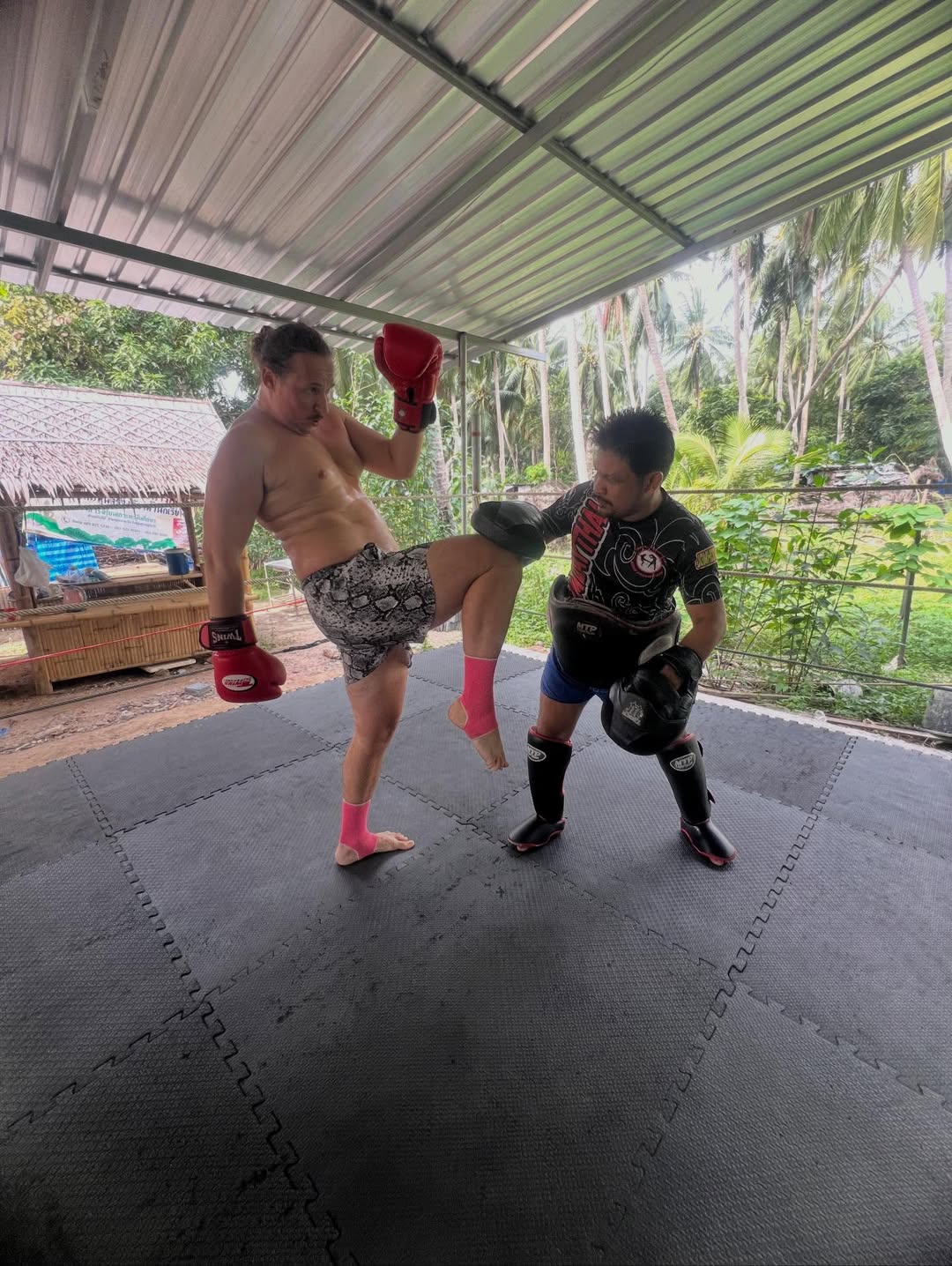
Thong Sala – transport and amenities
Thong Sala is the practical hub. If you’re the kind of person who likes having everything close—transport, services, stores, and lots of food options—this area can be convenient.
For training, the tradeoff is usually the “feel” of the area versus the convenience. If you’re very sensitive to noise or you struggle to sleep when there’s more activity nearby, pay attention to that. Recovery doesn’t care how convenient your street is.
When it’s a good idea
Thong Sala can make sense if you’re doing a structured multi-week plan and you want the island’s most predictable access to day-to-day services—especially if you’re balancing training with work and value convenience.
What to watch for
The main risk in a busier hub is accidentally turning your training block into a social block. Over 2–8 weeks, sleep and routine matter more than variety. If you stay in a more active area, choose a room that supports recovery.
- Pick a place where you can sleep early (noise matters more than people admit).
- Keep evening plans simple if you train early the next morning.
- Don’t let “convenient food” become inconsistent food—your energy depends on it.

Sri Thanu – quieter option for recovery
Sri Thanu is often chosen by trainees who prioritize quiet and recovery. If your best training happens when you’re sleeping well and keeping stress low, a calmer area can be a real advantage.
The tradeoff is usually a longer commute depending on your gym. Over 2–8 weeks, commute time isn’t only “time”—it’s heat, energy, and decision fatigue. If you choose a quieter base, be honest about how you’ll get to training consistently.
How to make it work
If you stay farther out, make your routine tighter: set a consistent departure time, keep pre-training food simple, and don’t let the commute become the excuse that wins on low-energy mornings.
A useful tradeoff to consider
If you’re training once per day, a slightly longer commute can be manageable. If you’re aiming for two sessions most days, commute friction multiplies. The more sessions you plan to do, the more valuable a closer base becomes.
If you choose a quieter area, protect the training habit by simplifying everything around it: set the same wake time, prep your gear the night before, and keep your meals predictable. That’s what makes a “quiet recovery base” actually work.

Scooter vs walking distance reality
People talk about “walking distance” like it’s always the goal. In reality, it depends on how you move around the island and how you handle heat. Walking can be fine—until you’re doing it twice a day, sweaty, hungry, and you still need to eat and recover.
A scooter makes the island feel smaller and reduces friction, but it’s only a good idea if you’re comfortable riding. If you’re not, don’t force it. Choose an area where your daily needs can be met without turning every task into a transport plan.
The practical rule
Pick the setup you’ll still follow when you’re tired. If you know you’ll skip sessions when the commute feels annoying, solve that first—even if the room itself is less “perfect.”
Heat, weather, and the “twice-a-day” test
The best way to judge your plan is to imagine day 18: you’re sore, it’s hot, and you have a second session later. Would you still do your commute without debating it? If the answer is “maybe,” shorten the commute or make it easier.
If you’re walking, consider how you’ll handle rain days or high-heat days. If you’re riding, consider whether you’ll still ride confidently when you’re tired. There’s no “right” option—only the one you’ll actually repeat.

How most students choose accommodation initially
Most trainees don’t perfectly plan a 2–8 week stay in advance. A common pattern is to book something simple for the first week, then adjust once you’ve done a few sessions, learned your schedule, and know what “close enough” actually feels like.
A simple two-step approach
This approach keeps it practical without guessing:
- Step 1: book a first-week base that’s easy for training (short commute, quiet sleep, simple food).
- Step 2: after a few sessions, decide whether you want to optimize for being closer, being quieter, or being more central.
If you want to keep it practical, start with areas that reduce friction and then refine from there. Here’s a guide to choosing areas close to the gym for training consistency that can help you pick a first-week base without overcommitting.
What to decide before you book
Before you lock anything in, decide what you’re optimizing for: sleep, commute, or convenience. You can usually only get two without tradeoffs. Once you know your priority, the “right area” becomes obvious.
A helpful question is: “What would make me skip training?” If the answer is “a long ride,” choose closer. If the answer is “bad sleep,” choose quieter. If the answer is “I can’t keep meals consistent,” choose somewhere more convenient for food.

FAQ
Which area is closest to most Muay Thai gyms?
There isn’t one universal answer because gyms are spread around the island. The closest area is the one that minimizes your daily commute to the specific gym you’re training at.
Is it necessary to stay within walking distance?
Not necessarily. Walking distance is helpful if you don’t ride a scooter. What matters most is a commute you’ll actually do consistently—especially for morning sessions.
Do trainees change accommodation during their stay?
Often, yes. After the first week, people sometimes move closer, find a quieter room, or switch to a setup that matches their routine better.
Are short-term stays better at first?
For many trainees, booking a short first stay helps keep options open while you learn your training schedule and what “close enough” feels like on the island.
Conclusion
The best area is the one that supports repeatable training. Keep your commute simple, protect your sleep, and make meals easy. If you do that, you’ll train more consistently for the full 2–8 weeks—no matter which part of Koh Phangan you choose.