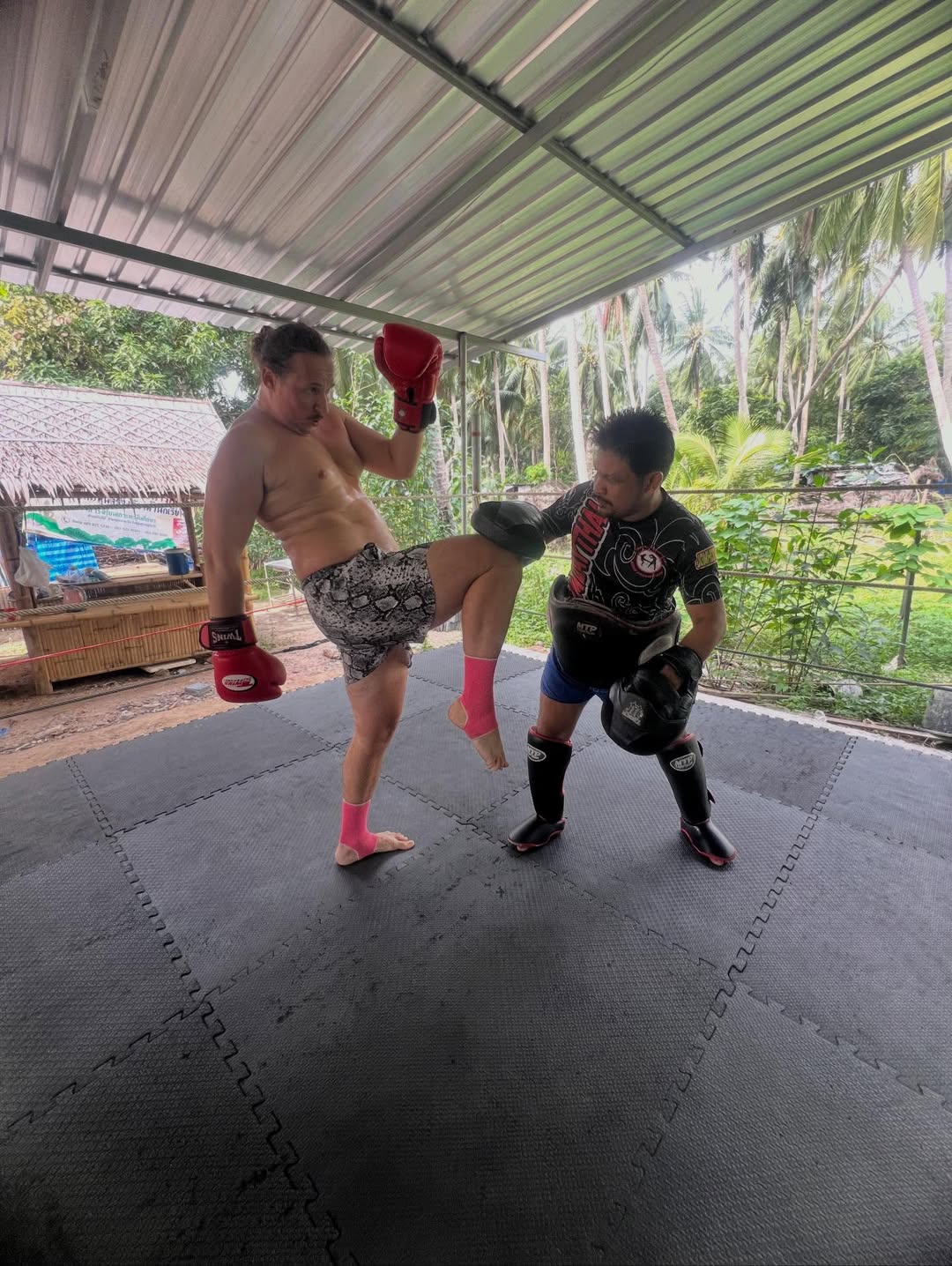
If you’re searching for muay thai training koh phangan, you’ll find plenty of short guides aimed at quick drop-ins. A 2–8 week stay is different: you’re not just planning workouts. You’re building a routine around sleep, food, transport, and recovery so you can show up consistently.
Training structure and daily routine
Most people picture a “koh phangan muay thai camp” as two-a-day workouts and not much else. The reality is more practical: the training itself is only part of what makes a 2–8 week block productive. The rest is how you pace intensity so you can keep turning up.
A typical day for muay thai koh phangan trainees looks like this: you wake up early enough to arrive warm, hydrated, and not rushed. You train. You eat something that doesn’t wreck your stomach. You recover. Then you decide whether your second session is a technical day or a harder day.
What a session usually includes
Even if the details vary, most sessions follow a pattern: a warm-up to get your hips, ankles, and shoulders moving; rounds on pads and/or bags; and partner work (drills, controlled sparring, or clinch). The “secret” isn’t the exact menu—it’s showing up enough times for the basics to become automatic.
If you’re new, focus on clean reps: stance, guard, balance, and returning to position after strikes. If you’re more experienced, the work is often about details: timing, pacing, and decision-making under fatigue.
How to think about intensity
If you’re staying multiple weeks, you don’t “win” by smashing every session. You win by staying healthy and consistent. A good approach is to alternate: one session that’s more skill-focused and one session that’s more conditioning-focused, depending on how you’re recovering.
If you want a simple way to keep it sustainable: keep your easy days truly easy and your hard days genuinely hard. Most people accidentally train in the middle every day, which feels busy but doesn’t progress well.
Your first week goal: learn the flow
In week one, you’re learning more than technique. You’re learning the timing of the gym, how to warm up properly for the climate, and how much volume your body can handle without getting wrecked. Treat the first 5–7 days as an onboarding week and you’ll set up the rest of your stay.

Weekly rhythm and recovery
Over 2–8 weeks, your progress depends on how you manage fatigue. In a new climate, with more walking, more sweating, and often less sleep than usual, recovery becomes a skill. This is where your “muay thai gym koh phangan” experience is made or broken.
The easy recovery habits that actually work
Keep the basics boring and consistent: drink enough water, eat enough protein, and don’t let your sleep drift later and later each night. If you’re training twice a day, the fastest way to feel terrible is to stack two hard sessions on top of low sleep.
It also helps to plan one lower-output day each week. That doesn’t mean skipping training. It means keeping one session technical and leaving the ego at home so your body catches up.
Manage the small stuff before it becomes big
Over multiple weeks, it’s usually small issues—not major injuries—that derail training: tight hips, shin bruises, sore wrists, or a tired lower back. The fix is rarely heroic. Warm up longer, cool down properly, and don’t ignore pain that changes your movement.
A simple habit that helps: after each session, ask yourself what needs attention (sleep, food, hydration, or mobility). Then fix one thing the same day, not “next week.”
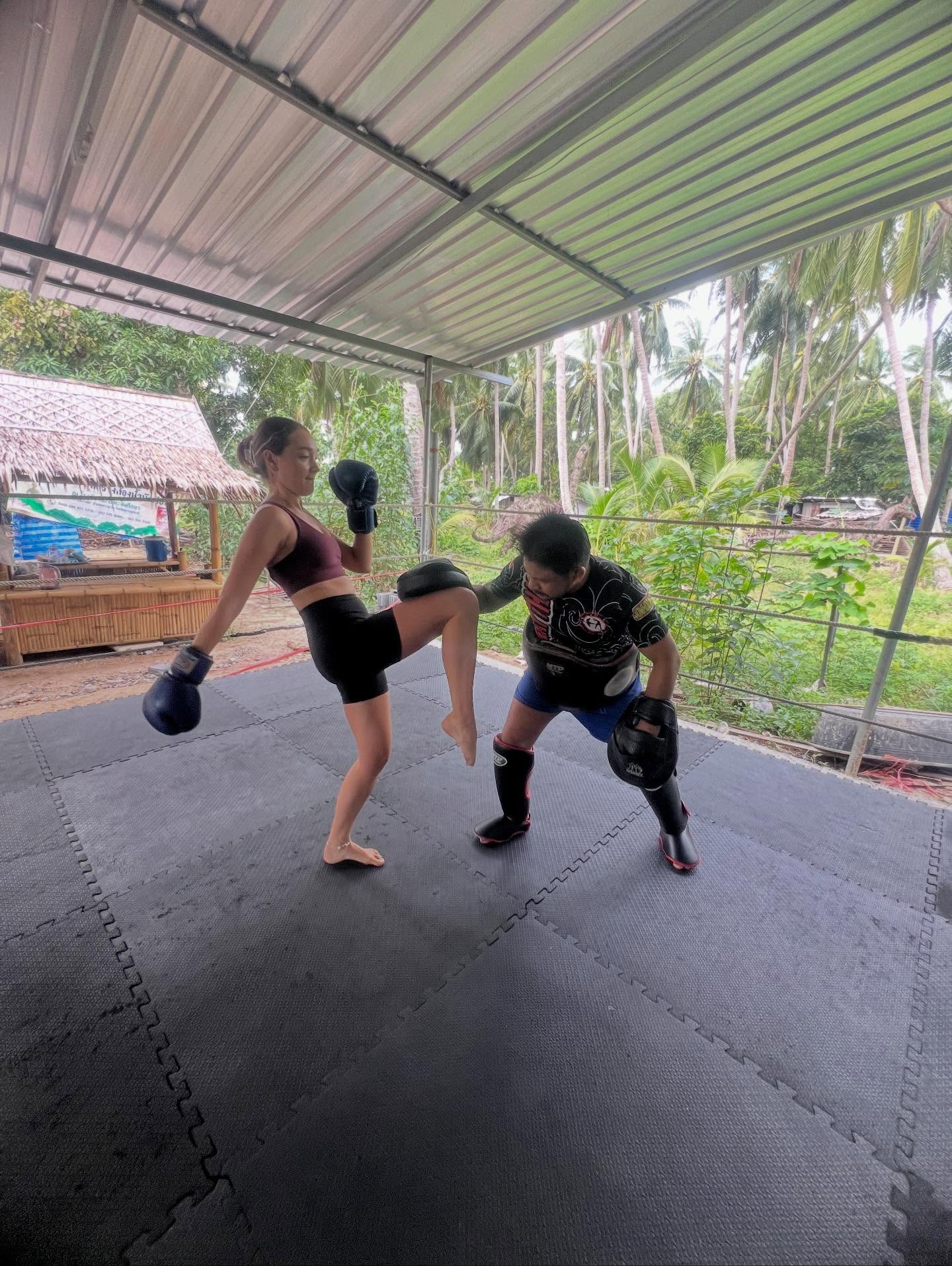
What changes when you stay longer than one week
The first week is mostly adaptation: heat, timing, learning the gym flow, figuring out how your body responds to the volume. Week two is when patterns show up—what makes you feel good, what makes you feel run down, and what you need to change so your training stays consistent.
Your routine matters more than your motivation
Motivation spikes for a few days and then becomes unreliable. A long stay works when your day is designed so training is the default: you don’t have to “decide” to go; you just go because everything around it is simple.
This is also when small friction points become big: a long commute, a noisy room, or meals that don’t sit well. Fixing those is often more valuable than adding extra rounds.
Build a simple weekly structure
A practical multi-week plan is usually “repeatable weeks,” not a perfect day. Decide in advance which days are harder, which days are technical, and when you’ll keep things lighter. This prevents the common pattern of going too hard early, then disappearing for three days to recover.
If you train twice a day, it helps to keep one session as your “anchor” (the one you never skip) and treat the second session as flexible based on recovery. Consistency beats perfection over 2–8 weeks.
If you’re still deciding how you’ll train, it can help to glance at the pricing options so you’re planning your schedule realistically around the package you’ll use.
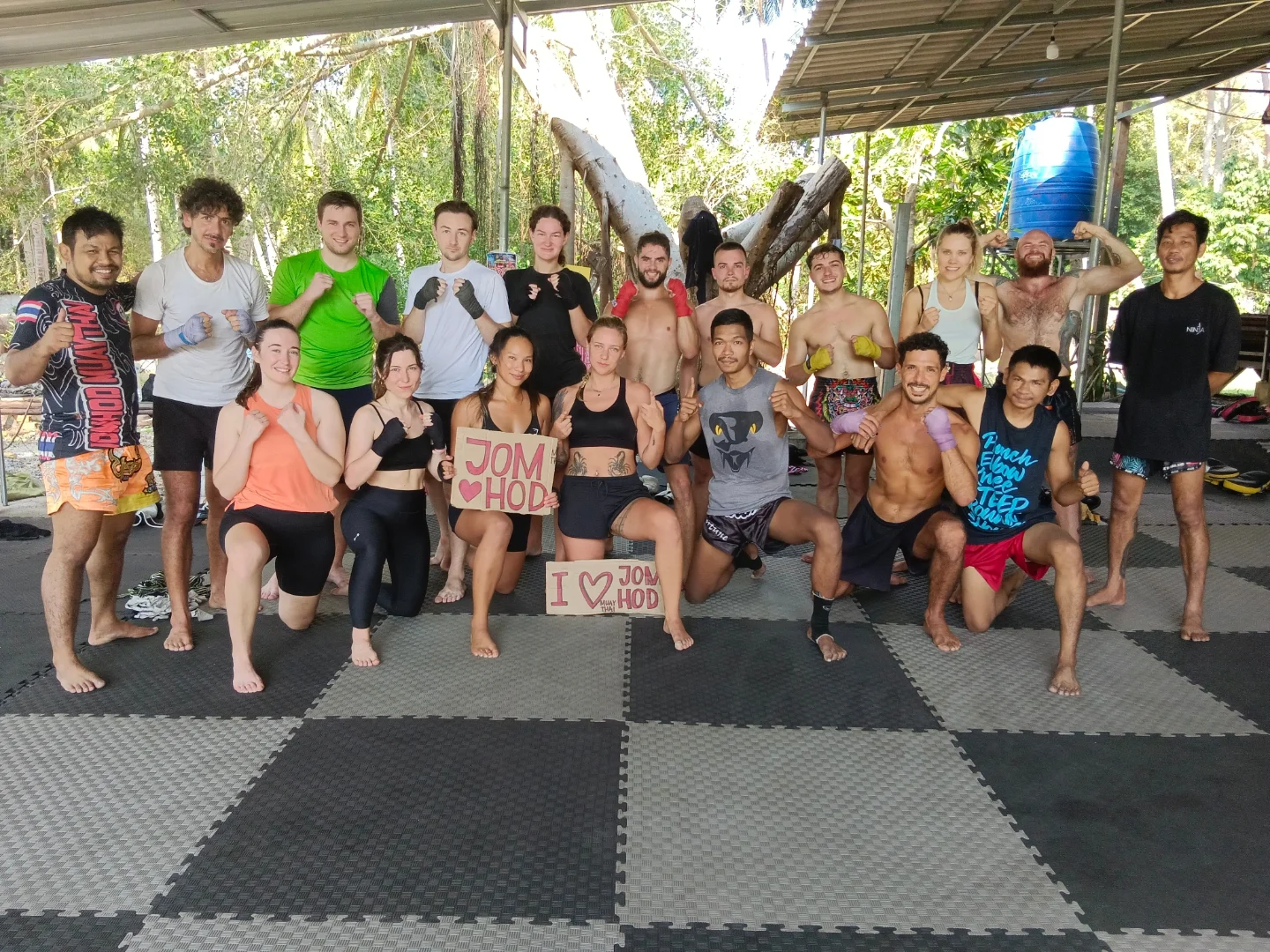
Where trainees usually stay and why location matters
For a 2–8 week stay, accommodation isn’t about being “nice.” It’s about removing friction. If your place is too far, you start skipping sessions because the ride feels like extra work—especially for early training.
The practical location checklist
Aim for a base that makes your training day easy: short travel time to the gym, food options nearby, and a room where you can actually sleep. If you’re new to the island, it’s normal to book a shorter stay first, then adjust once you know your routine.
Walking vs scooter: be honest about your reality
Some people want a walkable setup; others are fine with a scooter. Either can work—the important part is that your commute doesn’t become the reason you miss sessions. If you don’t ride a scooter, choose a base where training and meals are easy without needing daily transport.
If you want a simple starting point, use this guide to staying close to the gym during training to pick areas that make sense for a multi-week rhythm.
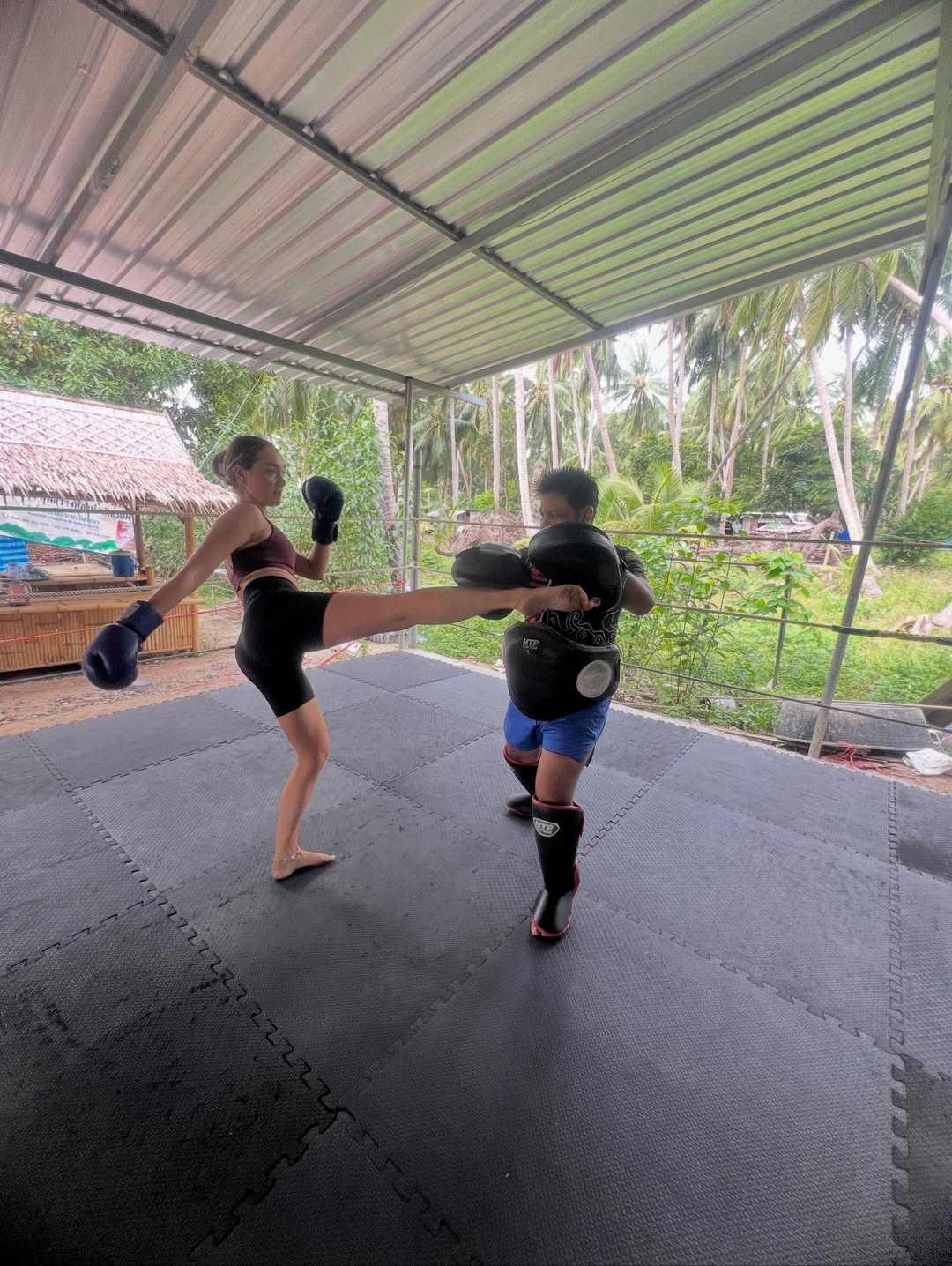
Common mistakes first-time trainees make
The biggest mistakes aren’t dramatic. They’re small, repeated choices that quietly drain energy. If you fix these, your “muay thai training koh phangan” experience gets easier without needing more willpower.
Mistake 1: Training hard on low sleep
If you slept badly, don’t try to “make up for it” by pushing pace. Make it a technical session and aim to leave feeling better than you arrived.
Mistake 2: Letting the commute decide your consistency
A long or annoying trip to the gym sounds fine on day one. By week three, it’s the reason you skip. Reduce friction early and everything else becomes easier.
Mistake 3: Doing “extra” when basics aren’t handled
Extra runs, extra rounds, extra everything—before hydration, food, and sleep are stable—usually backfires. Build the base first.
Mistake 4: Under-eating because you’re “busy”
With two sessions a day, your appetite can get weird—sometimes you’re hungry, sometimes you’re not. If your energy tanks mid-week, the fix is often as simple as eating enough consistently, not finding a new training hack.
Mistake 5: Letting ego decide partner work
Controlled work builds skill. Ego-driven rounds build injuries. If you’re new, keep sparring and clinch at a level where you can learn. If you’re experienced, be the person who can go light and technical—your body will thank you in week four.

Who Koh Phangan Muay Thai training is best suited for
A multi-week block is ideal if you value routine and repetition. You’ll get more out of it if you can show up consistently, accept coaching, and stay patient when progress is incremental.
It’s a great fit if you want consistency
Koh Phangan works well for trainees who want a stable rhythm: training, meals, rest, and a simple day structure. If you’re the kind of person who improves through repetition, a multi-week camp is a strong option.
It’s also a good fit if you’re balancing training with work, as long as you set a realistic weekly structure. Two sessions a day every day isn’t the only way to improve. For many people, one session per day with solid recovery is more sustainable.
If you’re completely new, that’s fine—just treat the first week as skill-building. Your goal is to learn clean technique and stay healthy enough to train tomorrow.
FAQ
How long do most people train for?
Many trainees plan for a few weeks so they can build consistency and settle into a routine. A 2–8 week stay is common because it’s long enough to improve without rushing.
Is Koh Phangan suitable for beginners?
Yes. Beginners do well when they focus on fundamentals, recover properly, and keep intensity appropriate. The goal early on is clean technique and consistency.
Do people usually stay near the gym?
Often, yes. Being close reduces friction—especially for morning training—and makes it easier to stay consistent over multiple weeks.
Is it better to book accommodation in advance?
For a longer stay, many people book a short first stay, then extend or switch once they know their routine and preferred location. This keeps your options flexible.
Conclusion
A 2–8 week stay is mostly about consistency. If you keep your routine simple, manage recovery, and remove friction (especially location and sleep), your training improves steadily. Think long-term, keep the basics solid, and you’ll get far more from Koh Phangan than you would from trying to do everything at once.