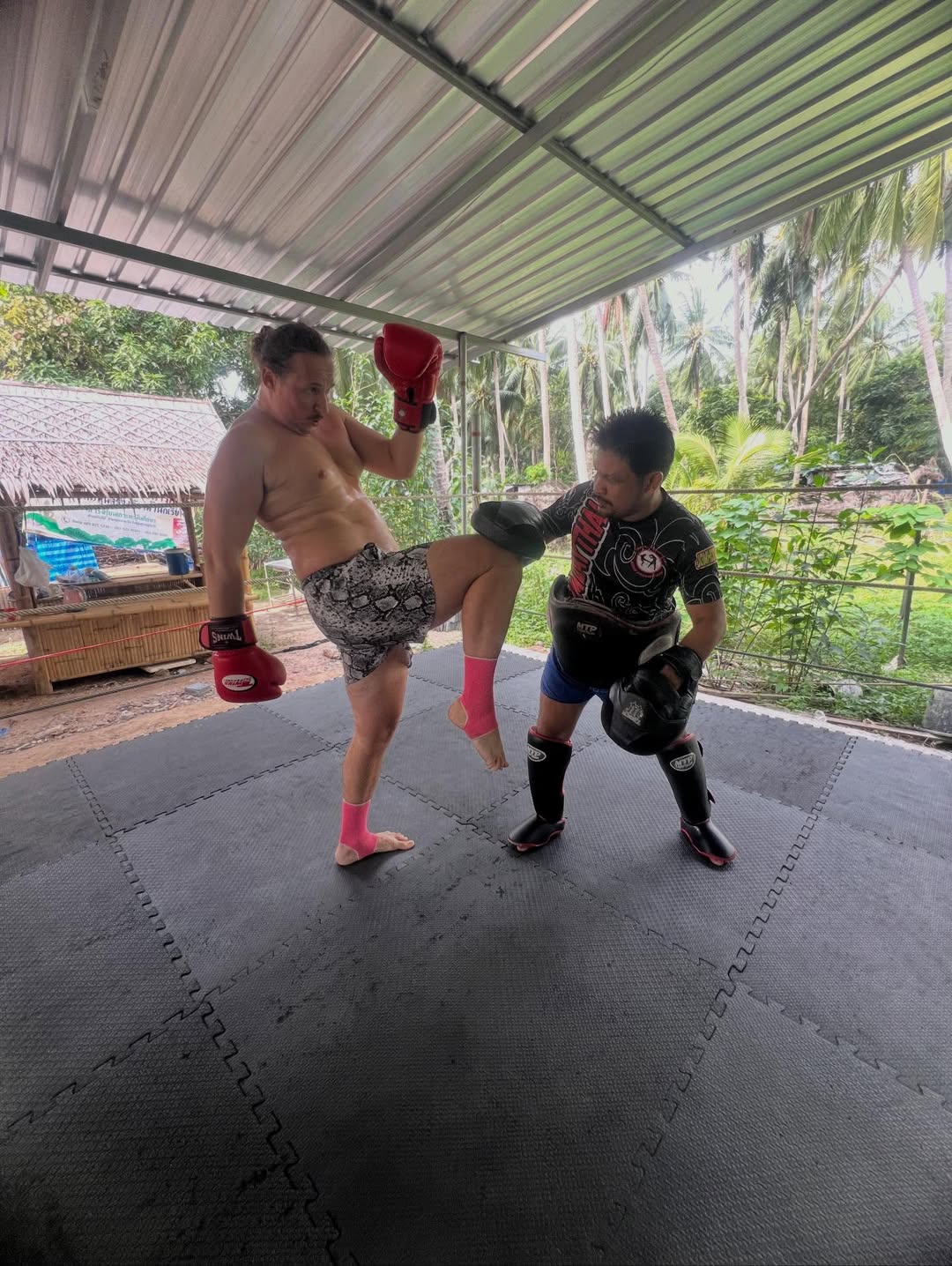
In Koh Phangan, you will meet two types of visitors. Tourists train once or twice because it sounds fun and they want the story. Trainees build a routine around training and keep showing up. Both are valid, but they need different expectations.
If you are searching for muay thai training koh phangan, it helps to know what changes with time. A one-week stay is mostly an introduction. A koh phangan muay thai camp that lasts multiple weeks becomes about repeatability: sleep, food, transport, and recovery.
One-week stays – expectations vs reality
A one-week trip is usually about exposure. You learn what a session feels like in the heat, how the gym runs, and what your conditioning looks like when you are training something new. It is valuable, but it is not enough time to build a stable routine.
What you can realistically get from 7 days
In a week, most people improve in the areas that respond quickly: comfort in stance, basic combinations, and confidence in the training environment. You also learn how your body reacts to volume. That information is useful if you plan to come back for longer.
The common mismatch
The mismatch is expecting a week to feel like a transformation. In reality, week one is adaptation: new movement patterns, sore shins, tight hips, and learning how to hydrate and eat around sessions. If you treat it as onboarding, it is a great week.
Two to four week stays – adaptation phase
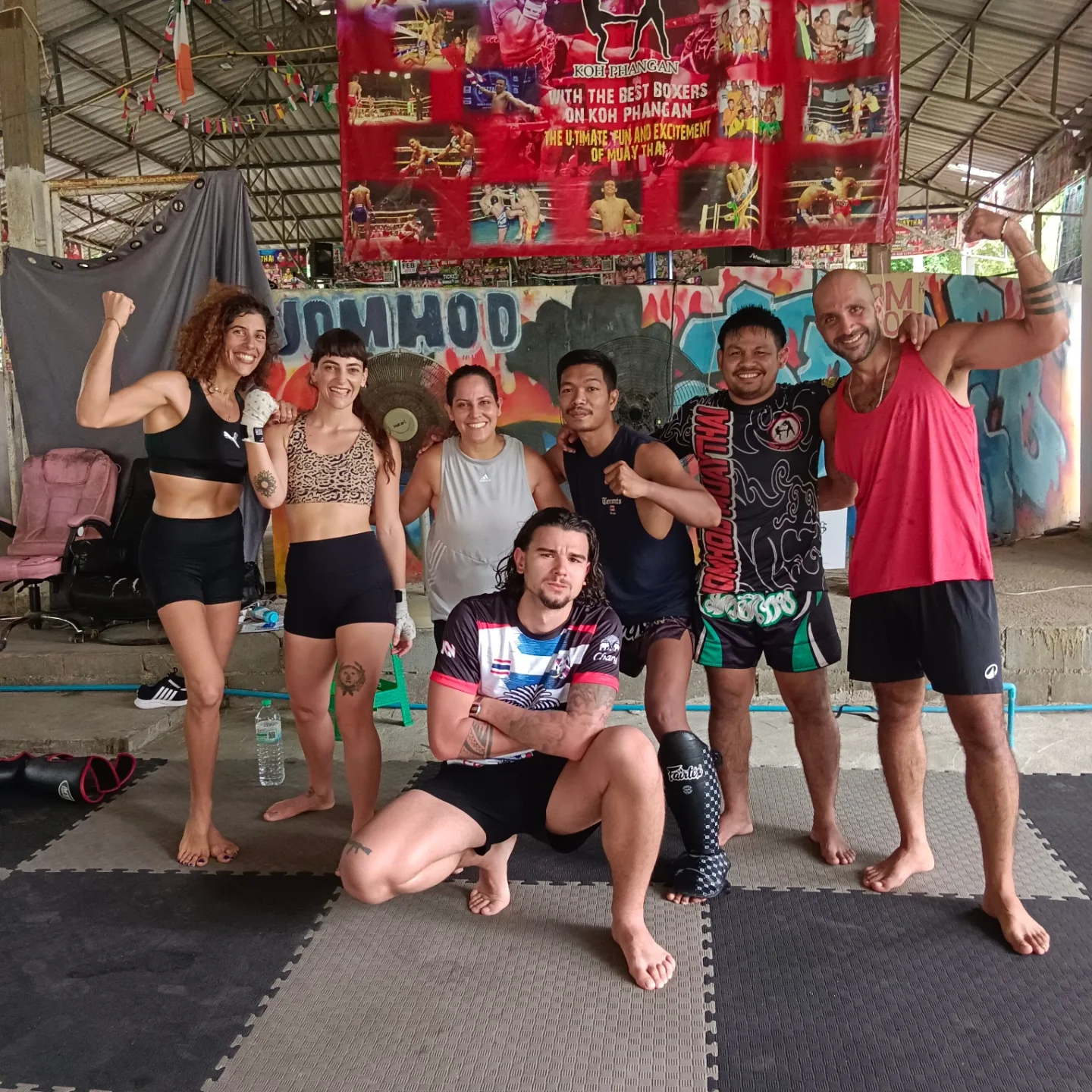
Two to four weeks is where a training trip starts to become a routine. The first week is still onboarding. Week two is where you notice patterns: what makes you feel good, what ruins recovery, and what needs to change so you can keep training.
This is also where you learn what kind of trainee you are. Some people do best with a strict plan. Others do better with a flexible approach where one daily session is the anchor and the second session depends on recovery. Either can work, but you need to be honest about what you will actually follow.
Why weeks 2–4 feel different
By week two, you are no longer surprised by the heat or the session structure. Your nervous system starts to learn timing, and your conditioning becomes more specific. You also get better at the logistics: arriving warm, not rushed, and eating in a way that supports training.
Recovery becomes a skill
This is where people learn the real lesson of a koh phangan muay thai camp: you do not need maximum intensity every day. You need repeatable training. A practical approach is alternating a harder session with a technical session depending on sleep and soreness.
If you are aiming for two sessions most days, the habit that matters most is sleep. Consistent sleep turns training from random effort into a steady month.
Long-term stays – routine and consistency
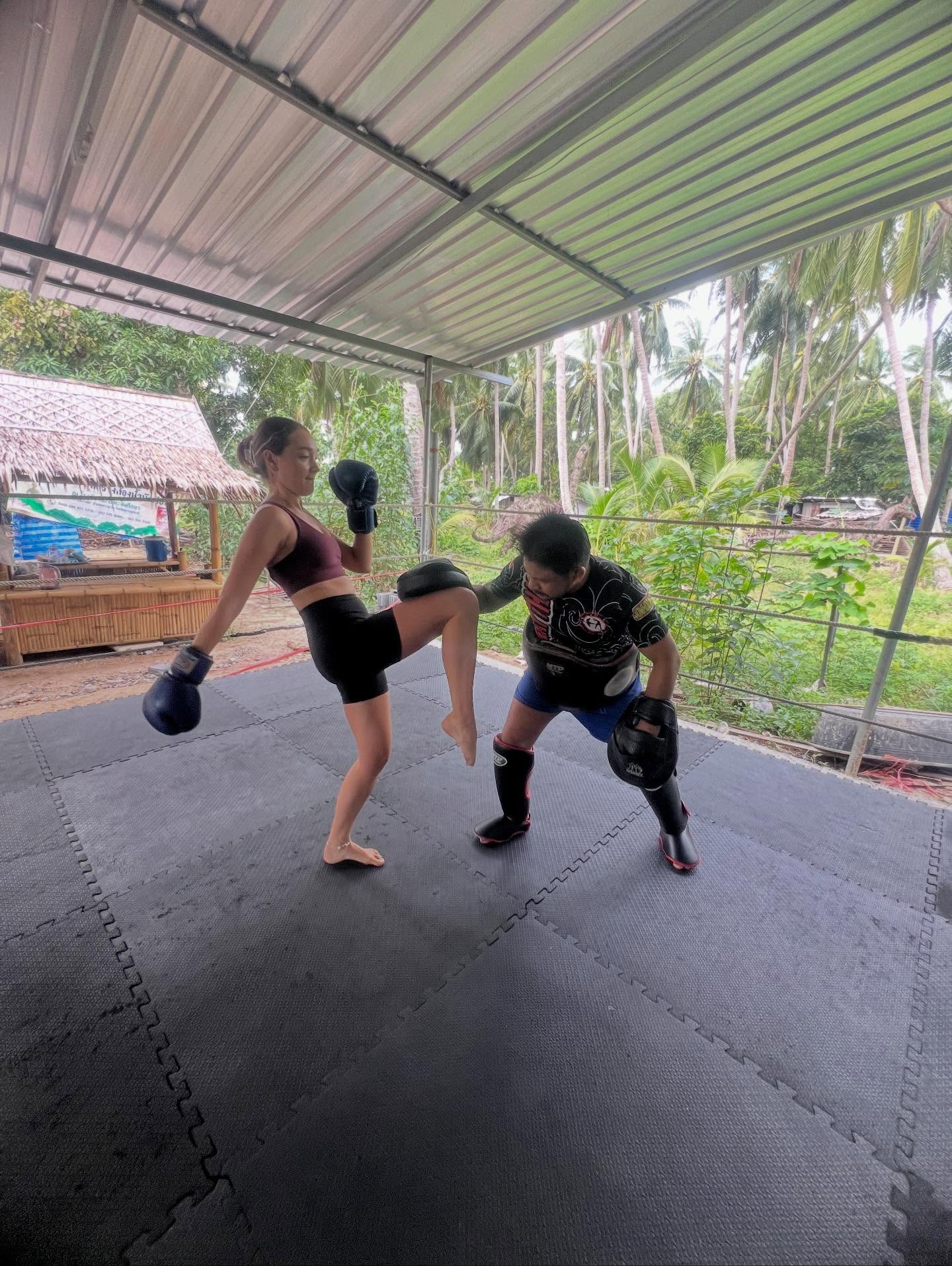
Longer stays are not about doing more. They are about doing the right amount, often enough, for long enough that the basics become automatic. This is where people actually start to look like they train Muay Thai, not just try it.
Your routine matters more than motivation
Motivation comes and goes. Over 4–8 weeks, your day needs to be designed so training is the default. That usually means predictable wake times, meals that digest well, and a commute that does not become a decision.
Weekly rhythm: avoid the mid-week crash
Most people crash mid-week when they treat every day as a hard day. A sustainable rhythm has at least one lower-output day where you keep things technical. You still train, but you finish with energy instead of digging a hole.
This is also when small friction points become big: a noisy room, a long ride, or meals that do not sit well. Fixing those often improves your training more than adding extra rounds.
How accommodation decisions evolve over time
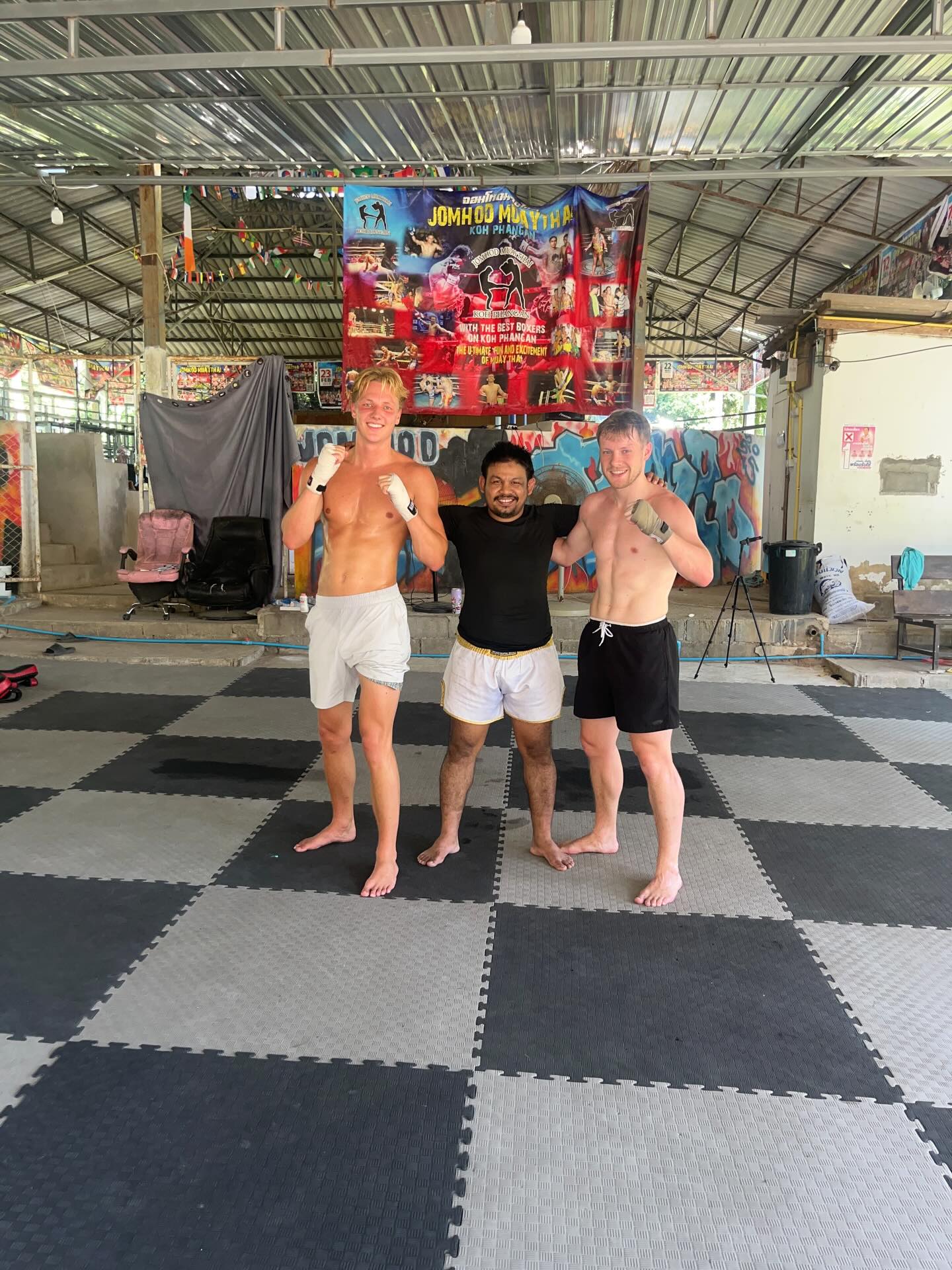
For multi-week stays, accommodation is less about comfort and more about consistency. Where you live affects commute time, sleep quality, and how easy it is to eat and recover. Over time, most trainees adjust their setup to reduce friction.
The common pattern
Many people book a short first stay, train a few sessions, then decide what they want to optimize: being closer, being quieter, or being more central for errands. This is practical because it lets you choose based on real routine rather than guesses.
If you want a simple starting point, use this accommodation guide for staying close to the gym during training and pick a base that makes mornings easy. If you can show up consistently, everything else gets easier.
What matters most for a training stay
- Commute friction (especially for morning sessions).
- Sleep quality (quiet enough to recover).
- Food access (you can eat consistently without thinking about it).
- A routine you will follow on tired days.
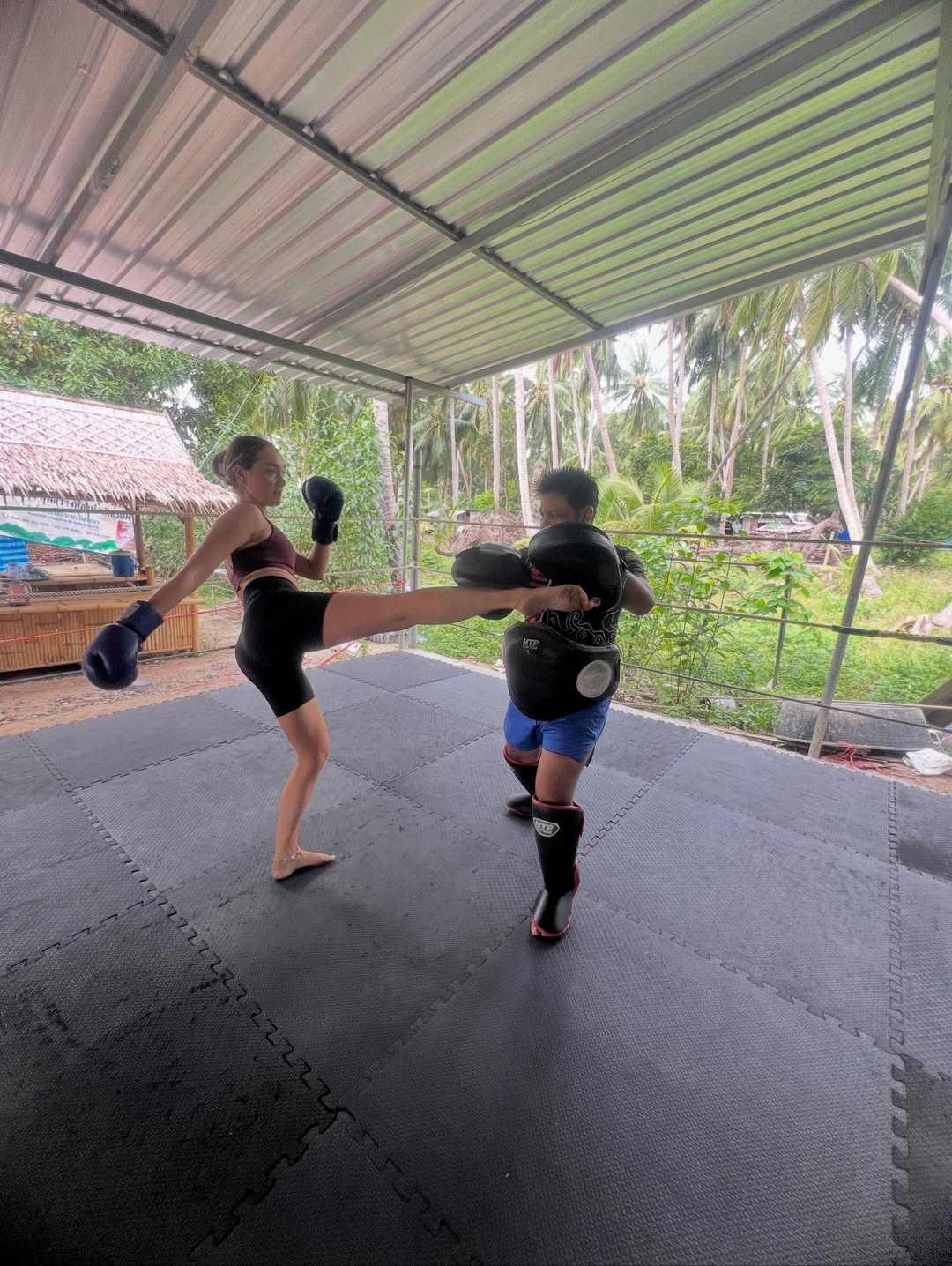
Who benefits most from longer stays
Longer stays work best for people who improve through repetition and routine. If you value small, steady progress and you are willing to manage recovery like part of training, a multi-week block is hard to beat.
If you are the type of person who needs novelty every day, a longer stay can feel repetitive. But if you like building skill through consistent reps, longer stays are where Muay Thai starts to feel less random and more controlled.
Beginners
Beginners often benefit the most from time. A longer stay gives you enough sessions to build fundamentals without rushing. The goal is clean technique and consistent training, not intensity for its own sake.
Intermediate and experienced trainees
If you already train, longer stays let you refine details: timing, balance, pacing, and decision-making. You also get more chances to adjust your week so you can train hard without breaking down.
People balancing training with remote work
A longer stay can work well with remote work if your setup supports it. The practical approach is to anchor one session per day as non-negotiable, then add the second session when recovery and workload allow.
FAQ
Is one week enough to see progress?
You can feel progress in comfort and basics, but one week is mostly onboarding. Longer stays are where consistency turns into measurable skill and conditioning changes.
Do people extend their stay once they arrive?
Many do. Once you learn your routine and how your body responds, it becomes easier to decide whether you want two weeks, four weeks, or longer.
Is it risky to book long accommodation upfront?
It can be if you are guessing on location. A short first booking can be a safer approach, then you adjust once you know what matters for your training schedule.
What is the most flexible approach?
Book your first week, establish your routine, then extend or switch based on what makes training easiest: commute, sleep, and food access.
Conclusion
Short stays are great for getting exposure. Multi-week stays are where training becomes repeatable and progress becomes steady. If you plan for recovery and reduce friction (especially sleep and location), your 2–8 week stay in Koh Phangan will feel less like a grind and more like a routine you can sustain.